

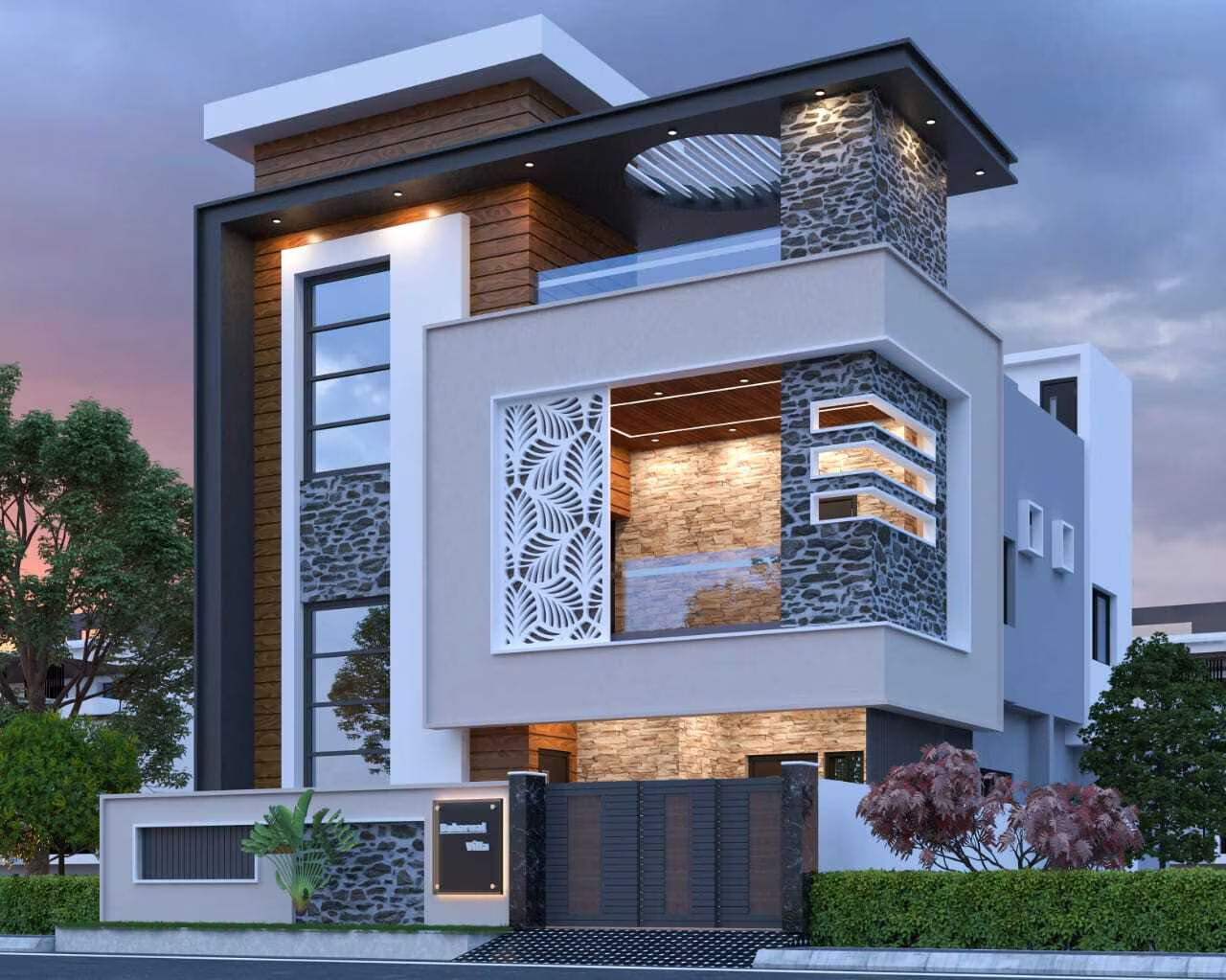
Modern construction is rapidly transforming how we think about the spaces where we live and work. The focus is shifting towards creating structures that are not only comfortable and functional but also exceptionally energy-efficient. This movement is particularly important in Thailand, where a tropical climate demands significant energy for cooling and ventilation. Embracing innovative building solutions is essential for reducing operational costs and supporting national sustainability goals.
The integration of smart technologies is at the heart of this change. A forward-thinking building automation solutions company can design systems that intelligently manage lighting, climate control, and security. These automated systems use sensors and data to make real-time adjustments, ensuring energy is used only when and where it is needed. This approach significantly reduces waste compared to traditional buildings that operate on fixed schedules, regardless of occupancy.
For property developers and owners in Thailand, the benefits are substantial. Lower energy consumption translates directly into smaller utility bills, improving the financial viability of a building over its lifespan. Furthermore, a structure built with advanced energy-saving features is more attractive to tenants and buyers who value sustainability and reduced living expenses. These modern buildings are a direct response to a growing demand for greener, more intelligent living and working environments.
The Core of Smart Building Design
At its foundation, an energy-efficient building uses a combination of intelligent design and advanced technology. This starts with the building envelope itself. Using high-performance insulation, reflective roofing materials, and double-glazed windows can dramatically reduce heat gain. This passive cooling strategy lessens the burden on air conditioning systems, which are among the largest energy consumers in Thai buildings.
Inside, the innovation continues with smart systems. LED lighting connected to motion and daylight sensors can adjust illumination levels automatically, cutting electricity use for lighting by a large margin. Similarly, modern HVAC systems can be zoned, allowing for precise temperature control in different areas of a building. These systems learn occupancy patterns over time, optimising performance and preventing the unnecessary cooling of empty rooms.
Real-World Impact in Thailand
The application of these technologies is already making a difference across the country. New commercial towers in Bangkok and residential developments in popular tourist areas are showcasing what is possible. These projects demonstrate that sustainability and comfort can go hand in hand. By adopting these solutions, developers are not just constructing buildings; they are creating sustainable communities that are better prepared for the future.
The push towards energy efficiency supports Thailand’s broader environmental objectives. By reducing the power demand from buildings, we can ease the strain on the national grid and decrease reliance on fossil fuels. This contributes to cleaner air and a healthier environment for everyone. The continued adoption of innovative building solutions will be a fundamental part of the nation’s progress towards a more sustainable and prosperous future.